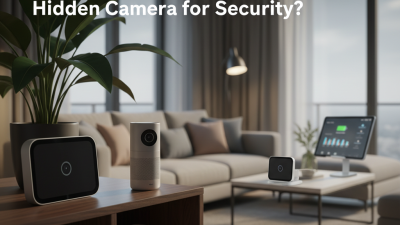
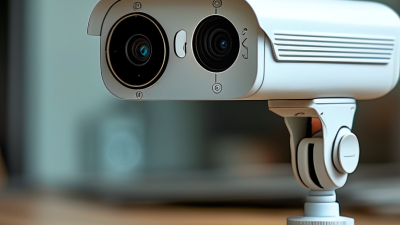
How to Choose the Best Motion Detection Camera for Your Needs?
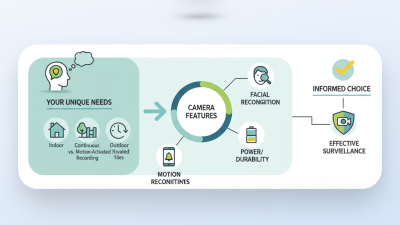
Choosing the right Motion Detection Camera can be challenging. With many options available, it’s essential to identify your specific needs. This camera type provides security and peace of mind. It can capture important moments and enhance your property’s safety.
Consider factors such as image quality, field of view, and storage options. Not every motion detection camera fits every situation. Some users may need indoor options, while others look for outdoor features. The price is another crucial aspect to take into account. Budget constraints can limit your choices, yet spending wisely is good.
While some low-cost models may seem appealing, they can lack reliability. Make sure to read reviews and seek expert opinions. Trustworthy sources will provide insights into performance. Selecting the right device requires careful consideration and a touch of skepticism. This camera should not just meet your expectations but also adapt to your lifestyle.
Understanding Motion Detection Technology and Its Types
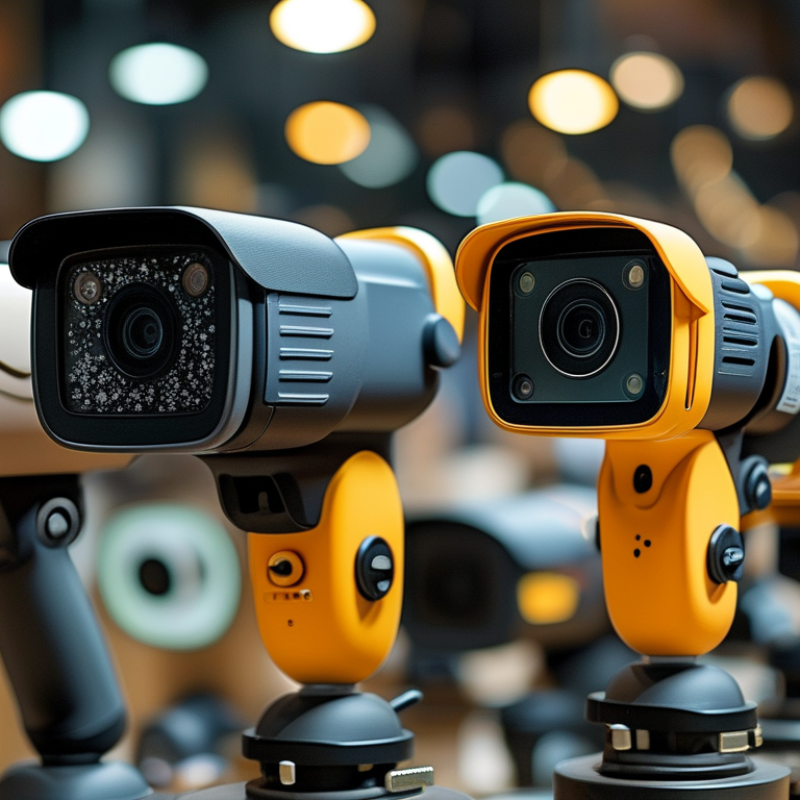
When exploring motion detection technology, it's essential to understand its various types. Most cameras use either passive infrared (PIR) or video motion detection. PIR cameras detect heat from moving objects, making them effective for outdoor use. They are sensitive to body heat, ensuring that relevant motions are captured. Video motion detection relies on changes in the video feed, which can be effective indoors. This can lead to false alarms, especially with busy backgrounds.
Choosing the right motion detection method depends on your specific needs. Evaluate the area you wish to monitor. If it’s an outdoor space, PIR might be more reliable. For indoor use, video detection can provide more detailed footage. Basic setups could miss key movements, while complex systems might overwhelm you with notifications. Finding a balance is crucial.
Pay attention to the camera's resolution and angle of view; these factors greatly influence performance. Higher resolution captures finer details, which can be important for identification. A wider angle allows for monitoring larger areas but might compromise image quality. Always consider potential blind spots in the setup. Understanding these nuances will lead to better decision-making for your surveillance needs.
Evaluating Your Surveillance Needs and Environment
Choosing the right motion detection camera requires careful consideration of your specific surveillance needs and environment. Start by assessing the area you want to monitor. A large outdoor space may need a wide-angle lens. A small room might be fine with a compact model. Think about lighting conditions as well. Low-light situations can affect camera performance.
To enhance your selection process, visualize the layout of your space. Are there potential obstructions? Identifying these can guide where to place your cameras. For example, tall bushes or structures might block the field of view. This is crucial when considering camera angles and coverage. Consider the type of activity you want to track as well. High-traffic areas may benefit from more sensitive settings.
Make sure to factor in your budget as well. High-end models offer advanced features, but basic options can still be effective. Weigh the importance of video quality against cost. Sometimes, less expensive cameras may not meet your requirements. Regularly review your setup, because needs can change over time. New technology can also provide better solutions.
Key Features to Consider in Motion Detection Cameras
When selecting a motion detection camera, several key features come into play. First, consider the resolution. Higher resolution cameras provide clearer images, which can be crucial for identifying intruders or monitoring pets. A camera with at least 1080p is a smart choice. Also, the angle of view affects coverage. A wider field helps you monitor larger areas without needing multiple cameras.
Night vision is another critical feature. Cameras equipped with night vision can capture clear footage in low light. This capability ensures that your property remains secure, regardless of the time of day. Additionally, look for adjustable sensitivity settings. A camera too sensitive might record unnecessary movements, leading to unnecessary alerts.
Wireless connectivity is a significant advantage. It allows for easier installation and access to footage from anywhere. However, ensure your camera can securely connect to your Wi-Fi. Regular software updates are vital for performance. Check for a user-friendly app that keeps you informed.
Always assess user reviews. Real experiences can highlight the camera’s strengths and weaknesses. Remember that while advanced features are appealing, they should fit your specific needs, not just trends. Investing time in research can lead to better decisions and enhanced security.
Comparing Price Ranges and Brands on the Market
When selecting a motion detection camera, price plays a crucial role. On the market, prices range significantly. Entry-level models can be affordable while offering basic features. These are perfect for simple home security needs. However, they may lack advanced capabilities, such as high-resolution video or cloud storage. If you desire better performance, expect to invest more.
Brands vary widely in terms of reliability and features. Some may promise high-tech functions but fall short on user experience. It’s essential to read reviews and gather insights from users. This can highlight strengths and weaknesses in different models. So, prioritize finding trustworthy sources that offer honest assessments.
Not all cameras meet expectations. Some may excel in motion detection but have poor video quality. Others might require a complicated setup process. Balance your needs with your budget. Reflect on common issues users face when choosing their devices. This will help you make a more informed choice. A camera should fit seamlessly into your routine, meeting your unique security demands without causing frustration.
How to Choose the Best Motion Detection Camera for Your Needs?
| Camera Type |
Price Range |
Resolution |
Field of View |
Motion Detection Technology |
Additional Features |
| Indoor Fixed Camera |
$50 - $150 |
1080p |
90° |
PIR & Video Motion Detection |
Night Vision, Two-Way Audio |
| Outdoor PTZ Camera |
$200 - $500 |
4MP |
360° |
AI Motion Detection |
Weatherproof, SD Card Slot |
| Doorbell Camera |
$100 - $250 |
1080p |
160° |
Motion Alerts |
Cloud Storage, Live View |
| Hidden Camera |
$30 - $100 |
720p |
N/A |
PIR Detection |
Compact Design, 24/7 Recording |
Installation and Maintenance Tips for Optimal Performance
To ensure optimal performance of a motion detection camera, installation and maintenance are crucial. Proper placement significantly impacts the camera’s efficiency. According to industry research, about 70% of motion detection failures occur due to poor positioning. Avoid placing the camera facing windows, where glare can hinder detection accuracy. Instead, mount it at a height of 8 to 10 feet, ensuring a clear field of view.
Regular maintenance is essential for longevity. Dust and weather can obstruct the camera lens, affecting image quality. A study indicates that routine cleaning can enhance detection rates by 30%. Check for software updates as manufacturers often release patches to improve performance. Regular maintenance checks can also identify potential hardware issues before they escalate. Following these guidelines can maximize the effectiveness of your motion detection camera, making it a reliable part of your security setup.