How to Choose the Right Surveillance Camera for Your Needs?
Choosing the right surveillance camera can be overwhelming. With various options available, it is essential to consider your specific needs. A surveillance camera can enhance security for homes and businesses. However, not all cameras are created equal.
When selecting a surveillance camera, focus on key features. Consider factors such as resolution, field of view, and connectivity. High-resolution cameras capture clearer images. A wide field of view covers more area. Connectivity options, like Wi-Fi, can simplify installation.
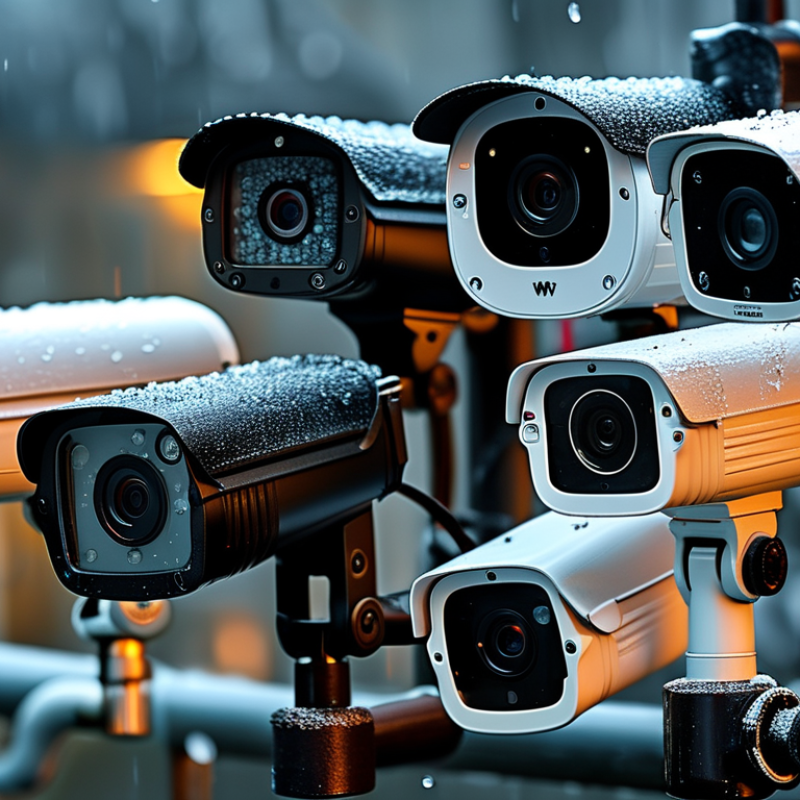
It’s crucial to reflect on your unique requirements. For instance, indoor cameras differ from outdoor models. Outdoor cameras need weatherproofing and night vision. Assessing your environment and security goals can lead to a better choice. Remember, the ideal surveillance camera should offer reliability without compromising quality.
Understanding Your Surveillance Needs
Understanding your surveillance needs is crucial for effective security. Think about the specific areas you want to monitor. Is it a large parking lot or a small entryway? Larger spaces may need multiple cameras, while small areas might require just one. Pay attention to lighting conditions as well. Outdoor areas may need weatherproof cameras with night vision capabilities.
Consider the types of activities you want to monitor. High-traffic locations may benefit from cameras with high-resolution features. They provide clearer images, enhancing the identification process. On the other hand, quieter areas might only need standard resolution. Assess the privacy of your space too. Knowing where cameras should not be placed is vital to avoid legal issues.
Finally, think about how you want to access the footage. Some systems allow real-time streaming, while others may store video for later review. This choice can impact your surveillance setup. Reflect on what makes you feel secure. This perspective can lead to a tailored solution that adequately meets your needs.
Types of Surveillance Cameras Available
When selecting a surveillance camera, understanding the types available is crucial. The primary categories include
analog,
IP, and
wireless cameras. Each type serves different environments and security needs. According to a recent market analysis,
the global IP camera market is expected to grow by over 20% annually through 2026. This surge indicates a strong preference for
high-definition recording and remote monitoring capabilities.
Analog cameras work well for budget-conscious users. They are easier to install and operate on existing systems. However, their quality may not meet modern standards. An IP camera offers
better resolution, clear images, and the ability to integrate with advanced security systems. Wireless cameras provide
flexibility in placement, making them ideal for locations lacking hardwired connectivity. Yet, they may suffer from connectivity issues or require
regular recharging.
Choosing the right camera can be overwhelming. You may need to evaluate the specific requirements of your environment. A recent industry report highlights that nearly
30% of users express dissatisfaction with their camera clarity. This suggests a common need for better clarity or user education before making a choice.
It's vital to understand your unique needs to avoid costly mistakes.
Key Features to Consider When Choosing
Choosing the right surveillance camera is crucial for security. When selecting a camera, consider clarity. A higher resolution means clearer images. Look for at least 1080p for detailed footage. Low light performance matters too. Cameras with infrared capabilities can capture clear images at night.
Field of view is another key feature. A wider angle covers more area but may distort images. Think about where you’ll place the camera. Some areas may require specific features, like tamper-proof designs or weather resistance. Indoor and outdoor cameras serve different needs.
Connectivity options also count. Wi-Fi enabled cameras allow remote monitoring. However, they might be vulnerable to hacking. Opt for models with encryption for added security. Always check reviews and recommendations to gauge reliability. Balancing features and price can be tricky, but it's essential for effective surveillance.
Evaluating Camera Locations and Coverage
When choosing a surveillance camera, camera location plays a crucial role in effectiveness. Begin by identifying key areas that need coverage. Consider entrances, driveways, and large open spaces. These spots are often targets for unwanted activity. The right placement can dramatically increase your security.
Tips: Look for high vantage points. Mount cameras where they have a clear view of potential entry points. This helps in capturing details, like faces and license plates. Avoid placing cameras too low, as they may be vulnerable to tampering.
Evaluate the coverage area. Use a physical map or digital layout of your property. Mark the zones where visibility is limited. Ensure cameras overlap slightly; this prevents blind spots. Adjusting the angle and tilt can enhance coverage efficiency.
Tips: Test camera angles by walking through the area. This helps identify possible obstructions and blind spots. Don’t be afraid to reposition cameras if needed. Adjusting locations can lead to improved surveillance results. Consider the lighting conditions too. Poorly lit areas might require cameras with night vision capabilities.
Budgeting for Your Surveillance System
When budgeting for your surveillance system, consider both initial costs and long-term expenses. High-quality cameras may seem expensive, but they often save money in the long run. Cheaper options can lead to frequent replacements or repairs, which may exceed your original budget. Factor in installation fees and monthly service subscriptions if needed.
Think about the features that truly matter to you. Night vision, motion detection, and storage capacity can significantly influence your choices. Assess how many cameras you require for full coverage. A few well-placed cameras can outperform a larger quantity of lower-quality ones. It's crucial to avoid overextending your budget on unnecessary extras.
Be prepared for upgrades down the line. Technology changes rapidly, and the latest innovations may better suit your needs later on. Allocate funds for potential enhancements. Always set aside a portion of your budget for unexpected costs. This practice can help avoid financial stress and ensure your surveillance remains adequate over time.